Aerials for Listed Buildings & Thatched Cottages in Oxfordshire
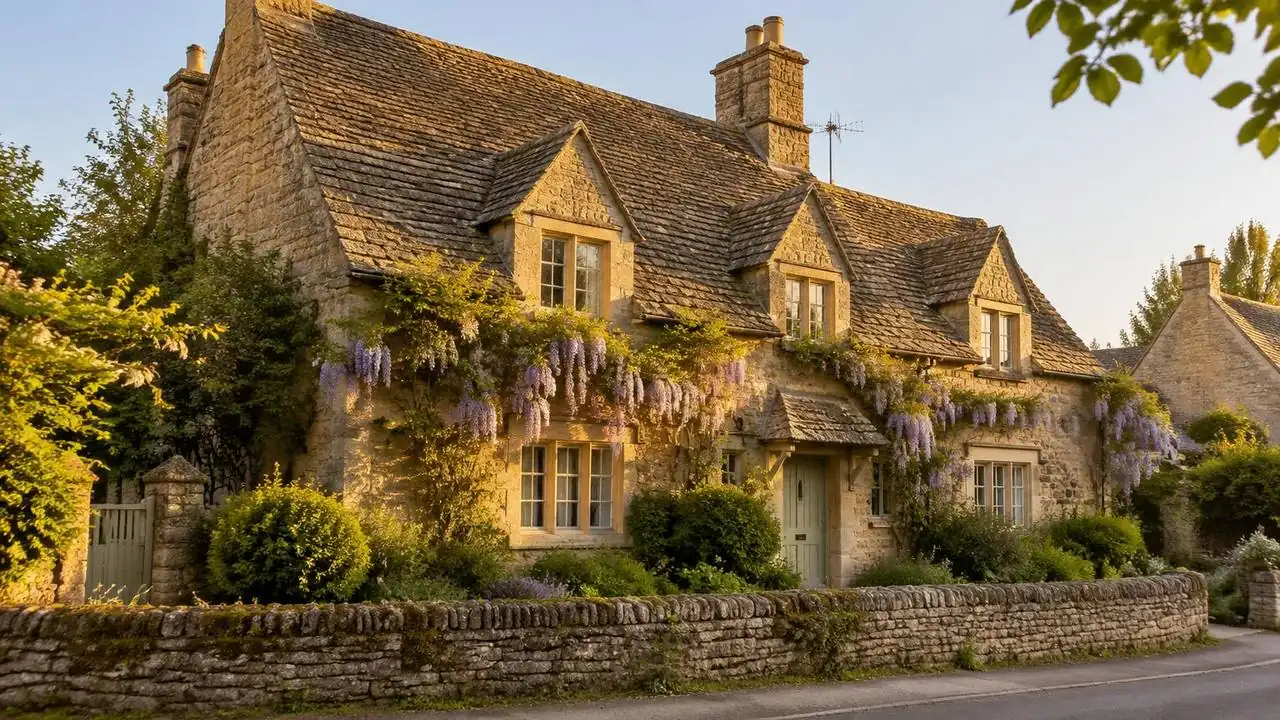
Reception sorted on a thatched cottage or listed façade without spoiling the look of it.
- Same-day call-outs
- Fully insured engineers
- 12-month workmanship guarantee
- No call-out fee
- Loft-mounted aerials that avoid roofline fittings altogether
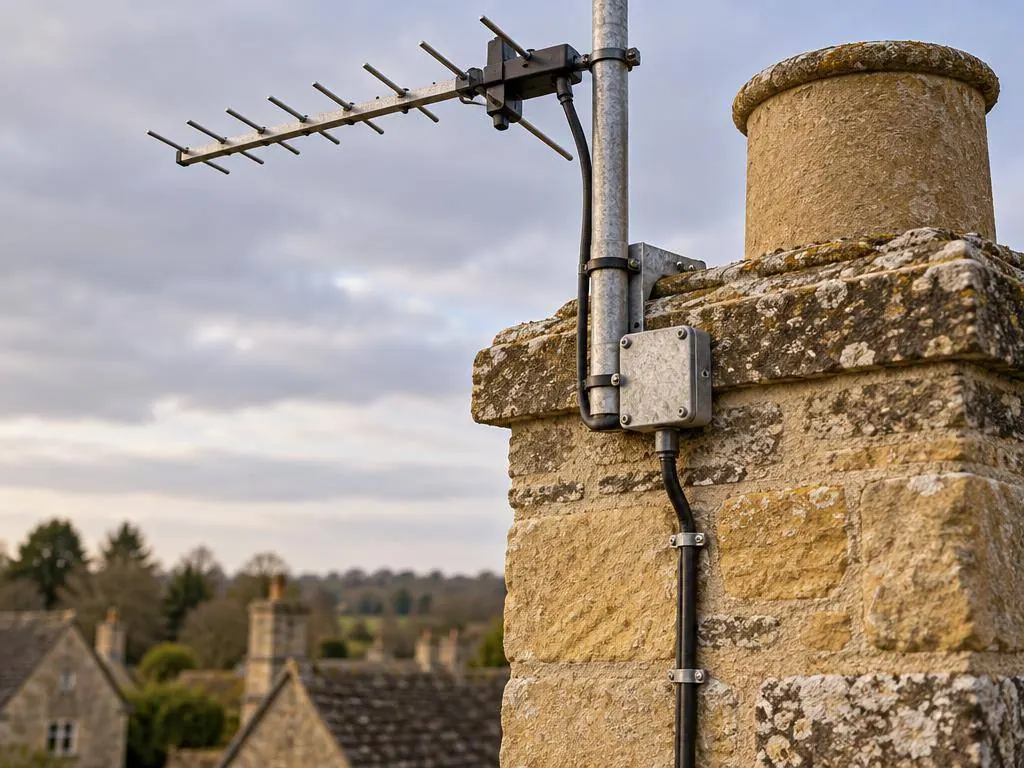
- Chimney-side and low-profile brackets for stone and thatch
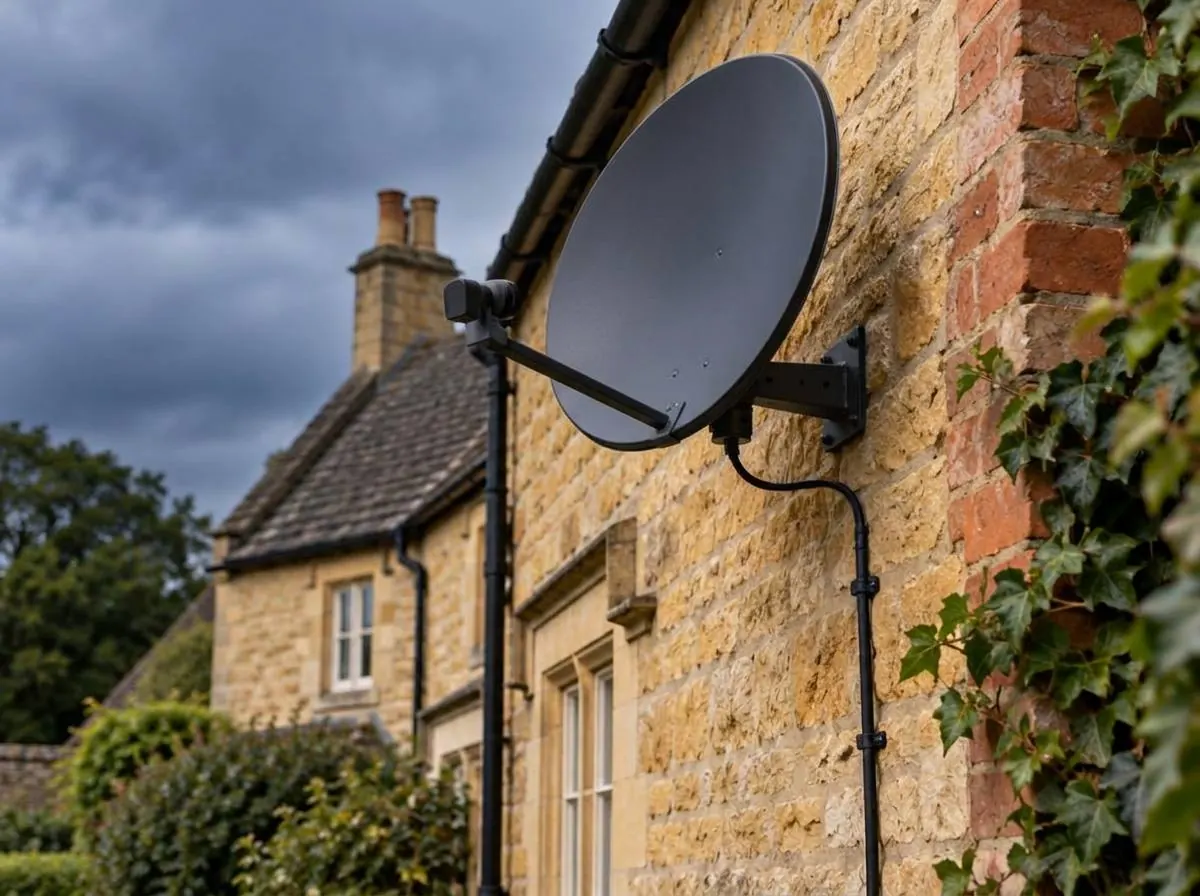
- Small, muted-colour dishes for satellite where required
- Garden pole mounts as an alternative to the building itself
- Awareness of listed building consent and conservation area rules
- Careful handling of thatch, stonework and lead flashing
A listed building or a home in a conservation area can still have a normal television service, but the aerial or dish getting it there has to be fitted with more thought than a standard rooftop bracket. We specialise in discreet installations for period and listed properties across Oxfordshire, Berkshire and Buckinghamshire, keeping the exterior as untouched as the reception allows.
Why listed buildings need a different approach
A standard aerial installation assumes you can drill into a roof timber, run a bracket up a chimney stack, or fix a dish to a wall wherever the signal is best. On a listed building, a thatched cottage or a property inside a conservation area, that assumption often does not hold, either because the fabric of the building needs protecting or because local planning rules restrict what can be fixed to the exterior. We look at reception options that work within those constraints rather than defaulting to the most visible fitting.
Loft aerials, where the roof allows it
A loft-mounted aerial is invisible from outside and avoids any fixing to the roof or chimney at all, which makes it the preferred option on many listed properties. It does need a reasonably strong incoming signal to work through roofing materials, so we survey the loft space and measure signal strength before recommending it rather than assuming it will suit every property.
Thatch and Cotswold stone bring their own considerations
Thatched roofs cannot take a conventional chimney-lashed aerial safely, so we look at gable-end fixings, low masts set away from the thatch, or loft mounting where the roof structure allows it. Fire risk and access for future maintenance both factor into the recommendation.
Cotswold stone cottages, common throughout villages around Witney, Burford and the wider Oxfordshire countryside, often have thick walls and stone tiles that make standard fixings impractical. We use fittings suited to the material and position aerials and dishes to be as unobtrusive as possible from the road.
Satellite dishes on sensitive properties
Where a household needs Sky or Freesat rather than an aerial-based service, we can fit smaller, less conspicuous dishes and choose muted colours and discreet positions, such as a rear elevation or within a garden structure, to reduce visual impact. In some cases a freestanding garden pole away from the building altogether is the simplest way to get a clear line of sight to the satellite without touching the property at all.
- Rear or side elevations preferred over street-facing walls
- Smaller dish sizes used where signal strength allows
- Garden pole mounts as a no-fixing alternative
- Colour and finish matched to reduce visibility
Planning permission and listed building consent
Aerial and satellite installations sometimes fall under permitted development, but listed buildings and some conservation areas have tighter rules, and listed building consent can be required for fixings to the historic fabric even where planning permission itself is not. We are not a substitute for planning advice, but we design installations with these sensitivities in mind and can discuss the options with you or your local conservation officer if consent is needed.
Working across Oxfordshire's villages and market towns
We regularly install and repair aerials and dishes on listed and period properties around Oxford, Witney, Abingdon, Banbury, Henley-on-Thames and out towards Aylesbury and Reading, including many Cotswold stone and thatched cottages where a standard fitting simply is not appropriate.
Talk to an engineer
Same-day appointments across Oxfordshire, Berkshire and Buckinghamshire.
Oxford Aerial Solutions is independent, so the advice you get is about your property rather than a provider's product list.
Call 01865 479702WhatsApp usCheck your area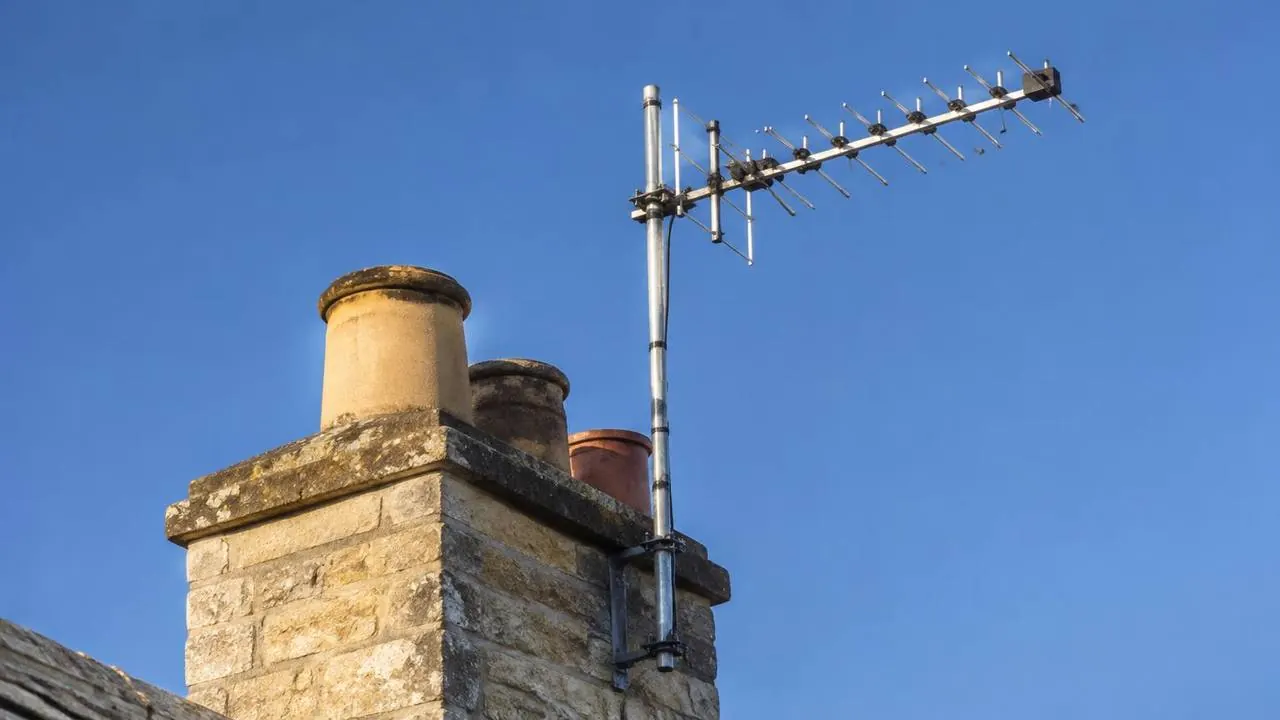
Questions we are asked about this work
Do I need permission to fit an aerial on a listed building?
It depends on the property and the type of fixing. Some installations are covered by permitted development, but listed buildings can require listed building consent for changes to the historic fabric. We design the installation with this in mind and can advise on when consent is likely to be needed.
Can a thatched roof have a standard aerial fitted?
Not safely in most cases. We generally recommend gable-end fixings, a low mast away from the thatch, or a loft-mounted aerial where the roof structure supports it, to avoid fire risk and damage to the thatch.
Will a loft aerial work as well as one on the roof?
It can, provided the incoming signal is strong enough to pass through the roofing material. We measure signal strength in the loft before recommending this option, and it is not suitable for every property.
Can you make a satellite dish less visible on a period property?
Yes, we use smaller dishes, muted colours, rear or side positions, and in some cases freestanding garden poles to reduce visual impact on sensitive elevations.
Do you work on properties in conservation areas that are not listed?
Yes, conservation area properties often have their own restrictions even without listed status, and we take the same discreet approach to fitting on these homes.